Loading...
ArchiveBusiness
The Right Way to Scale SaaS Engineering Teams Without Losing Code Quality
This is an archived article from the previous version of this site. It is preserved here for reference.
Scaling a SaaS engineering team is not just a matter of adding more developers to the roster. It’s about strategically expanding capabilities to meet growing demands while maintaining quality and efficiency. As I’ve navigated the SaaS landscape, I’ve come to realize that scaling is essential for staying competitive.
The market is constantly evolving, and customer expectations are higher than ever. If I want to keep pace, I need a team that can adapt quickly and deliver innovative solutions. When I think about scaling, I also consider the long-term vision of the company.
It’s not just about immediate growth; it’s about building a sustainable framework that can support future expansion. A well-scaled team can respond to market changes, integrate new technologies, and enhance product offerings without compromising on performance. This balance between growth and quality is crucial, and it’s something I strive to achieve in every aspect of my business.
Key Takeaways
- Scaling SaaS engineering teams is crucial for meeting growing demands and maintaining product quality
- Implementing Agile methodology can help in efficiently scaling engineering teams by promoting flexibility and adaptability
- Prioritizing communication and collaboration within the engineering team is essential for seamless scaling and efficient workflow
- Investing in CI/CD tools is important for automating and streamlining the development and deployment processes
- Emphasizing code reviews and quality assurance is crucial for maintaining high standards and ensuring product reliability
Implementing Agile Methodology for Efficient Team Scaling
Adopting Agile methodology has been a game-changer for my SaaS engineering team. Agile isn’t just a buzzword; it’s a mindset that fosters flexibility and responsiveness. By breaking down projects into manageable sprints, I can ensure that my team remains focused and productive.
This iterative approach allows us to adapt quickly to feedback and changing requirements, which is vital in the fast-paced world of software development. One of the most significant benefits of Agile is its emphasis on collaboration. Daily stand-ups and regular retrospectives create an environment where team members feel empowered to share ideas and address challenges.
This open communication not only enhances productivity but also strengthens team dynamics.
Prioritizing Communication and Collaboration within the Engineering Team
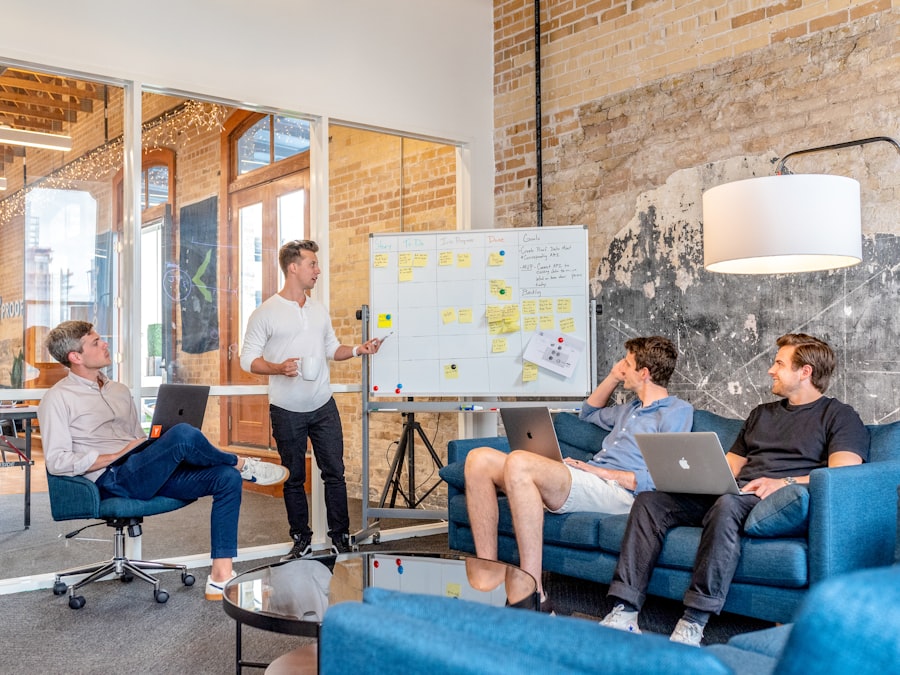
Effective communication is the backbone of any successful engineering team. I’ve learned that fostering an environment where team members feel comfortable sharing their thoughts and concerns can lead to innovative solutions and improved morale. Regular check-ins and open channels for feedback help to create a culture of transparency, which is essential for collaboration.
Collaboration goes beyond just talking; it involves actively engaging with one another on projects. I encourage my team to work together on tasks, share knowledge, and leverage each other’s strengths. This collaborative spirit not only enhances the quality of our work but also builds camaraderie among team members.
When everyone feels like they’re part of something bigger, it drives motivation and commitment.
Investing in Continuous Integration and Continuous Deployment (CI/CD) Tools
In my experience, investing in CI/CD tools has been one of the most impactful decisions for scaling my engineering team. These tools automate the process of integrating code changes and deploying them to production, which significantly reduces the time it takes to deliver new features. By streamlining this process, I can ensure that my team spends less time on manual tasks and more time focusing on innovation.
Moreover, CI/CD practices enhance code quality by allowing for frequent testing and validation. As changes are made, automated tests run in real-time, catching issues before they escalate. This proactive approach not only minimizes bugs but also instills confidence in the team’s ability to deliver high-quality software consistently.
The result? A faster development cycle without sacrificing quality.
Emphasizing the Importance of Code Reviews and Quality Assurance
Code reviews are an integral part of maintaining high standards within my engineering team. They serve as a safety net, catching potential issues before they make their way into production. I’ve found that encouraging a culture of constructive feedback during code reviews not only improves code quality but also fosters learning among team members.
When developers review each other’s work, they gain insights into different coding styles and best practices. Quality assurance (QA) is another critical component of our development process. I prioritize QA as an ongoing effort rather than a final step before deployment.
By integrating QA throughout the development lifecycle, we can identify issues early on and address them promptly. This proactive approach not only saves time but also enhances the overall user experience by delivering a more polished product.
Leveraging Automation to Streamline Development Processes

Automation has become a cornerstone of my strategy for scaling engineering teams effectively. By automating repetitive tasks, I free up valuable time for my developers to focus on more complex challenges that require creativity and problem-solving skills. Whether it’s automating testing processes or deployment workflows, these efficiencies can significantly accelerate our development cycles.
The beauty of automation lies in its ability to reduce human error. Manual processes are prone to mistakes, which can lead to costly delays and rework. By implementing automated solutions, I can ensure consistency and reliability in our development processes.
This not only boosts productivity but also enhances the overall quality of our software products.
Nurturing a Culture of Learning and Growth within the Engineering Team
Creating a culture of learning is essential for keeping my engineering team engaged and motivated. I believe that continuous professional development should be a priority for every member of the team. By providing opportunities for training, workshops, and conferences, I empower my developers to expand their skill sets and stay current with industry trends.
Encouraging knowledge sharing among team members is another way I foster growth. Regular lunch-and-learn sessions or internal tech talks allow individuals to present their expertise on specific topics, promoting collaboration and innovation. When team members feel supported in their learning journeys, they’re more likely to take initiative and contribute creatively to projects.
Monitoring and Evaluating the Impact of Scaling on Code Quality and Performance
As I scale my engineering team, monitoring the impact on code quality and performance becomes paramount. It’s not enough to simply grow; I need to ensure that our output remains consistent with our standards. Implementing metrics to track code quality—such as code coverage, bug rates, and performance benchmarks—provides valuable insights into how scaling affects our work.
Regular evaluations help me identify areas for improvement and make informed decisions about resource allocation. If I notice a decline in code quality or performance metrics, it’s crucial to address these issues promptly before they escalate into larger problems. By maintaining a keen eye on these indicators, I can ensure that scaling efforts contribute positively to our overall objectives rather than detracting from them.
In conclusion, scaling a SaaS engineering team is a multifaceted endeavor that requires careful planning and execution. From adopting Agile methodologies to investing in automation tools, each aspect plays a vital role in achieving sustainable growth while maintaining high standards of quality. By prioritizing communication, collaboration, and continuous learning, I can create an environment where my team thrives—ultimately leading to better products and satisfied customers.
If you're interested in exploring the intersection of technology and society, you may also enjoy reading the article Biotech Trends: Where Technology Meets Society. This piece delves into the latest advancements in biotechnology and how they are shaping our world. Just as scaling SaaS engineering teams requires a careful balance of technical expertise and human interaction, the field of biotech also relies on a delicate blend of science and societal impact. Both articles offer valuable insights into the evolving landscape of technology and its implications for society.