Loading...
ArchiveTechnology
The Impact of Technology on Modern Agriculture
This is an archived article from the previous version of this site. It is preserved here for reference.
Modern agriculture has undergone a profound transformation over the past few decades, driven largely by technological advancements that have reshaped how food is produced, processed, and distributed. The integration of technology into farming practices has not only increased efficiency but has also enhanced productivity, allowing farmers to meet the growing global demand for food. As the world population continues to rise, projected to reach nearly 10 billion by 2050, the pressure on agricultural systems to produce more with fewer resources has never been greater.
This scenario has prompted a shift towards innovative solutions that leverage technology to optimize agricultural practices. The convergence of various technologies—ranging from advanced machinery to data analytics—has created a new paradigm in agriculture. Farmers today are equipped with tools that enable them to monitor crop health, manage resources more effectively, and make informed decisions based on real-time data.
This technological revolution is not merely about increasing yields; it also encompasses sustainability, resource management, and the overall resilience of agricultural systems. As we delve deeper into the advancements in farming equipment, precision agriculture, biotechnology, and sustainable practices, it becomes evident that technology is not just an accessory to modern agriculture; it is a fundamental component that shapes its future.
Key Takeaways
- Modern agriculture relies heavily on technology to increase efficiency and productivity.
- Advancements in farming equipment and machinery have revolutionized the way crops are planted, harvested, and processed.
- Precision agriculture and data-driven farming allow farmers to make informed decisions based on real-time data and analysis.
- Biotechnology and genetic engineering have had a significant impact on crop yield, resistance to pests, and overall plant health.
- Sustainable agriculture practices and technology play a crucial role in minimizing environmental impact and promoting long-term viability.
Advancements in Farming Equipment and Machinery
The evolution of farming equipment and machinery has been pivotal in enhancing agricultural productivity. Tractors, once simple machines, have transformed into sophisticated vehicles equipped with GPS technology, automated steering systems, and precision implements. These modern tractors can perform a variety of tasks with remarkable efficiency, from plowing and planting to harvesting and transporting crops.
For instance, John Deere's latest models feature advanced telematics systems that allow farmers to monitor machine performance remotely, optimizing fuel usage and reducing operational costs. In addition to tractors, other machinery such as seeders, sprayers, and harvesters have also seen significant advancements. Precision seeders can now plant seeds at optimal depths and spacing, ensuring better germination rates and crop uniformity.
Sprayers equipped with sensors can detect plant health and apply fertilizers or pesticides only where needed, minimizing chemical use and environmental impact. The introduction of autonomous machinery further exemplifies this trend; self-driving tractors and drones are increasingly being utilized for tasks such as crop monitoring and field mapping. These innovations not only save time but also reduce labor costs and enhance the overall efficiency of farming operations.
Precision Agriculture and Data-Driven Farming
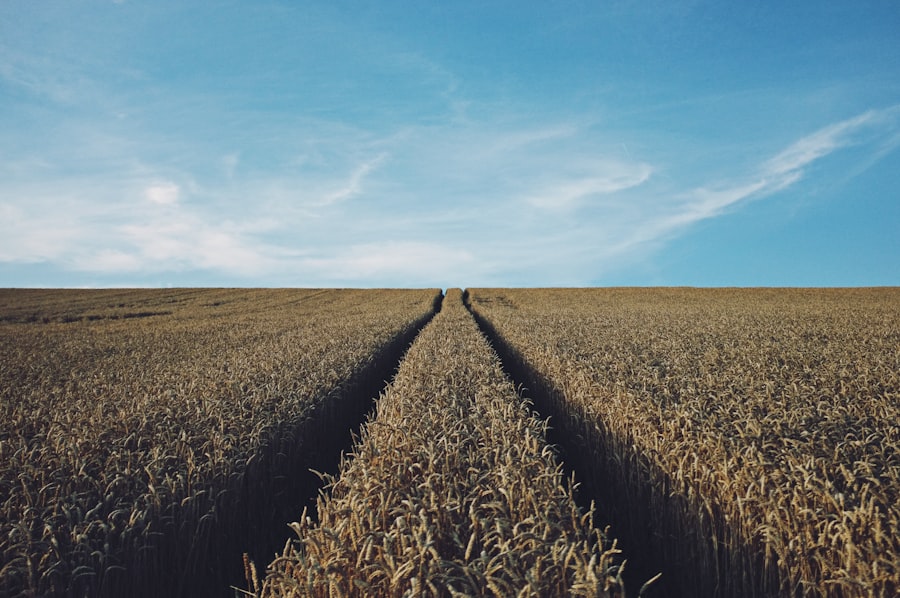
Precision agriculture represents a paradigm shift in how farmers approach crop management. By utilizing data-driven techniques, farmers can make informed decisions that enhance productivity while minimizing waste. This approach relies heavily on technologies such as satellite imagery, drones, and soil sensors to gather data on various factors affecting crop growth.
For example, satellite imagery can provide insights into soil moisture levels, crop health, and nutrient deficiencies across large areas of farmland. This information allows farmers to tailor their interventions precisely to the needs of their crops. Moreover, the integration of Geographic Information Systems (GIS) has revolutionized land management practices.
GIS technology enables farmers to analyze spatial data and visualize patterns related to soil types, topography, and climate conditions. By understanding these variables, farmers can implement site-specific management practices that optimize inputs like water, fertilizers, and pesticides. This not only leads to increased yields but also promotes environmental stewardship by reducing the over-application of chemicals and conserving water resources.
Impact of Biotechnology and Genetic Engineering
Biotechnology and genetic engineering have emerged as powerful tools in modern agriculture, offering solutions to some of the most pressing challenges faced by farmers today. Through genetic modification, scientists can develop crops that are resistant to pests, diseases, and environmental stresses such as drought or salinity. For instance, genetically modified (GM) crops like Bt cotton have been engineered to produce a natural insecticide that protects against certain pests, significantly reducing the need for chemical pesticides.
This not only lowers production costs for farmers but also minimizes the environmental impact associated with pesticide use. Additionally, biotechnology has facilitated the development of crops with enhanced nutritional profiles. Golden Rice, for example, has been genetically modified to contain higher levels of vitamin A, addressing malnutrition in regions where rice is a staple food.
The potential benefits of biotechnology extend beyond yield increases; they also encompass food security and nutritional enhancement in developing countries. However, the adoption of GM crops has sparked debates regarding safety, ethics, and environmental concerns, necessitating ongoing research and dialogue within the agricultural community.
Sustainable Agriculture Practices and Technology
Sustainable agriculture practices are increasingly being integrated with technology to create systems that are both productive and environmentally friendly. Techniques such as crop rotation, cover cropping, and agroforestry are being enhanced through technological innovations that improve their effectiveness. For instance, precision irrigation systems utilize sensors to monitor soil moisture levels in real-time, allowing farmers to apply water only when necessary.
This not only conserves water but also promotes healthier crop growth by preventing overwatering. Furthermore, technology plays a crucial role in organic farming practices. Advanced composting techniques and biofertilizers are being developed to enhance soil health without relying on synthetic chemicals.
The use of mobile applications allows farmers to track their organic inputs and manage their farms more efficiently while adhering to organic standards. By combining traditional sustainable practices with modern technology, farmers can create resilient agricultural systems that support biodiversity while meeting the demands of a growing population.
Challenges and Concerns with Technology in Agriculture

The Digital Divide in Agriculture
Despite the numerous benefits that technology brings to agriculture, there are significant challenges and concerns that must be addressed. One major issue is the digital divide; not all farmers have equal access to advanced technologies or the internet. Smallholder farmers in developing regions often lack the resources needed to adopt precision agriculture tools or modern machinery, which can exacerbate existing inequalities in food production and access.Bridging the Gap
Bridging this gap requires targeted investments in infrastructure and training programs that empower these farmers with the knowledge and tools necessary for success. This will enable them to compete on a level playing field and improve their overall productivity and yields.Data Privacy and Security Concerns
Additionally, there are concerns regarding data privacy and security in agriculture. As farmers increasingly rely on data-driven technologies, questions arise about who owns this data and how it is used. The potential for misuse or exploitation of sensitive information poses risks not only to individual farmers but also to the broader agricultural ecosystem.Future Trends and Innovations in Agricultural Technology
Looking ahead, several trends are poised to shape the future of agricultural technology. One notable trend is the increasing use of artificial intelligence (AI) and machine learning in farming practices. These technologies can analyze vast amounts of data from various sources—such as weather patterns, soil conditions, and market trends—to provide actionable insights for farmers.
For example, AI algorithms can predict crop yields based on historical data and current conditions, enabling farmers to make informed decisions about planting schedules and resource allocation. Another emerging trend is the rise of vertical farming and controlled environment agriculture (CEA). As urbanization continues to grow, traditional farming methods may become less viable in densely populated areas.
Vertical farms utilize hydroponics or aeroponics systems to grow crops in stacked layers within controlled environments. This innovative approach allows for year-round production while minimizing land use and water consumption. As technology advances further in this area—such as through improved LED lighting systems and climate control mechanisms—the potential for urban agriculture will expand significantly.
The Role of Technology in Shaping the Future of Agriculture
The role of technology in shaping the future of agriculture cannot be overstated. As we face unprecedented challenges related to food security, climate change, and resource scarcity, technological innovations will be essential in developing sustainable solutions that meet global demands. From advancements in farming equipment to precision agriculture techniques and biotechnology applications, technology is transforming every aspect of agricultural production.
However, it is crucial that these advancements are implemented thoughtfully and inclusively. Addressing challenges such as access disparities and data privacy will be vital in ensuring that all farmers can benefit from technological progress. By fostering collaboration between researchers, policymakers, and agricultural communities, we can harness the full potential of technology to create resilient agricultural systems that support both people and the planet for generations to come.