Loading...
ArchiveBusiness
The Best Way to Implement Usage-Based Billing Without Confusing Customers
This is an archived article from the previous version of this site. It is preserved here for reference.
When I first encountered the concept of usage-based billing, it felt like a revelation. This model shifts the focus from flat-rate pricing to a more dynamic approach, where customers pay based on how much they actually use a service. For SaaS companies, this can be a game-changer.
It aligns the cost with value, allowing customers to feel like they’re only paying for what they need. This model can lead to increased customer satisfaction and retention, as users appreciate the flexibility and fairness of paying for actual usage rather than a one-size-fits-all fee. However, implementing usage-based billing isn’t without its challenges.
I’ve seen companies struggle with the transition, especially when their existing customer base is accustomed to traditional pricing models. The key lies in understanding the nuances of customer behavior and usage patterns. By analyzing data, I can identify trends that inform how to structure pricing tiers effectively.
This not only helps in setting competitive rates but also ensures that customers feel they are getting a good deal. Ultimately, usage-based billing can foster a deeper relationship between the company and its users, as it encourages ongoing engagement and usage.
Key Takeaways
- Usage-based billing charges customers based on their actual usage of a service or product, rather than a flat fee.
- Communicate the change to customers clearly and transparently to avoid confusion and frustration.
- Provide easy-to-use and clear usage monitoring tools to help customers track their usage and understand their bills.
- Offer flexible billing options, such as pre-paid or post-paid plans, to cater to different customer needs and preferences.
- Educate customers on cost-saving strategies, such as using the service during off-peak hours, to help them manage their usage and bills effectively.
- Address customer concerns and feedback promptly to build trust and maintain customer satisfaction.
- Ensure transparent billing practices by clearly outlining charges and providing detailed billing statements.
- Continuously improve the user experience by gathering customer feedback and making necessary adjustments to the billing process.
Communicating the Change to Customers
Communicating a shift to usage-based billing requires a thoughtful approach. I’ve learned that transparency is paramount. Customers need to understand why this change is happening and how it will benefit them.
I often start by outlining the rationale behind the decision—whether it’s to provide more flexibility, enhance service quality, or better align pricing with actual usage. Framing the conversation around customer benefits helps mitigate resistance and fosters a sense of partnership. I also find that timing is crucial.
Announcing changes during routine updates or newsletters can feel abrupt. Instead, I prefer to create dedicated communication campaigns that explain the transition in detail. This includes webinars, FAQs, and one-on-one discussions for key accounts.
By providing multiple channels for feedback and questions, I can address concerns proactively and ensure that customers feel heard and valued throughout the process.
Providing Clear Usage Monitoring Tools
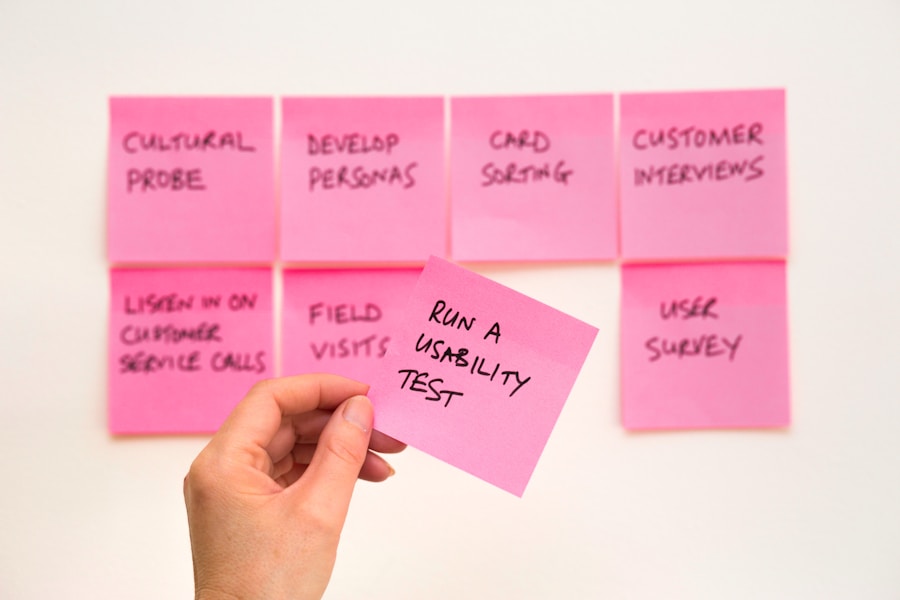
One of the most critical aspects of a successful transition to usage-based billing is offering robust usage monitoring tools. I’ve seen firsthand how empowering customers with real-time insights into their usage can significantly enhance their experience. When customers can track their consumption easily, they feel more in control of their spending and can make informed decisions about their usage patterns.
I prioritize developing intuitive dashboards that display usage metrics clearly and concisely. These tools should not only show current usage but also provide historical data and projections based on past behavior. By incorporating features like alerts for approaching thresholds or tips for optimizing usage, I can help customers manage their costs effectively.
This proactive approach not only builds trust but also encourages users to engage more deeply with the product.
Offering Flexible Billing Options
Flexibility in billing options is another cornerstone of a successful usage-based model. I’ve learned that one size rarely fits all when it comes to customer needs. Some users may prefer monthly billing cycles, while others might opt for quarterly or annual plans based on their budget cycles or cash flow considerations.
By offering various billing options, I can cater to a broader audience and enhance customer satisfaction. Additionally, I’ve found that providing tiered pricing structures can be beneficial. For instance, offering discounts for higher usage levels or bundling services can incentivize customers to increase their engagement with the product.
This not only drives revenue but also fosters loyalty as customers feel they are receiving added value for their commitment. The key is to remain adaptable and responsive to customer feedback regarding billing preferences.
Educating Customers on Cost-Saving Strategies
Education plays a vital role in helping customers navigate a usage-based billing model effectively. I’ve seen that many users may initially feel apprehensive about potential costs associated with increased usage. To alleviate these concerns, I focus on providing resources that highlight cost-saving strategies tailored to different user profiles.
For example, I might create guides or host workshops that demonstrate how to optimize usage based on specific business needs. Sharing best practices, such as scheduling tasks during off-peak hours or utilizing features that enhance efficiency, empowers customers to make informed decisions that align with their budgetary constraints. By positioning myself as a trusted advisor rather than just a service provider, I can build stronger relationships with my customers.
Addressing Customer Concerns and Feedback

No matter how well-planned a transition may be, customer concerns will inevitably arise. I’ve learned that addressing these concerns head-on is crucial for maintaining trust and loyalty. When customers voice their worries about potential cost increases or confusion regarding billing cycles, I make it a priority to listen actively and respond thoughtfully.
Creating open channels for feedback is essential. Whether through surveys, direct outreach, or community forums, I ensure that customers feel comfortable sharing their thoughts and experiences.
This iterative process not only improves customer satisfaction but also strengthens my understanding of their needs.
Ensuring Transparent Billing Practices
Transparency in billing practices is non-negotiable when implementing a usage-based model. I’ve seen how unclear billing can lead to frustration and distrust among customers. To combat this, I prioritize clear communication about how charges are calculated and what factors influence pricing.
I often provide detailed breakdowns of charges on invoices, ensuring that customers can easily understand what they’re paying for each month. Additionally, I make it a point to communicate any changes in pricing structures well in advance, allowing customers to adjust their usage accordingly. By fostering an environment of transparency, I not only build trust but also empower customers to take ownership of their spending.
Continuously Improving the User Experience
The journey doesn’t end once the transition to usage-based billing is complete; continuous improvement is essential for long-term success. I’ve learned that regularly soliciting feedback from customers about their experiences with the new model is crucial for identifying areas for enhancement. I often conduct periodic reviews of usage patterns and customer satisfaction metrics to gauge how well the model is working.
This data-driven approach allows me to make informed decisions about potential adjustments or new features that could enhance the user experience further. By remaining agile and responsive to customer needs, I can ensure that my SaaS company not only meets but exceeds expectations in an ever-evolving landscape. In conclusion, transitioning to a usage-based billing model presents both opportunities and challenges for SaaS companies.
By understanding the intricacies of this approach and prioritizing clear communication, robust monitoring tools, flexible options, education, transparency, and continuous improvement, I can create a positive experience for my customers while driving sustainable growth for my business.
If you are interested in how businesses are adapting to the new normal of remote work, you may want to check out the article com/blog/the-rise-of-remote-work-how-businesses-are-adapting-to-the-new-normal/'>The Rise of Remote Work: How Businesses are Adapting to the New Normal. This article provides insights into the challenges and opportunities that come with remote work and how companies are adjusting their strategies to thrive in this new environment.