Loading...
ArchiveProduct
How to Build a SaaS Search System That Delivers Fast, Relevant, and Actionable Results
This is an archived article from the previous version of this site. It is preserved here for reference.
In today's digital landscape, the significance of a fast, relevant, and actionable Software as a Service (SaaS) search system cannot be overstated. As I navigate through various platforms, I often find that the efficiency of a search function can make or break my experience. A well-designed search system not only enhances user satisfaction but also drives engagement and retention.
When I can quickly find the information or tools I need, I am more likely to continue using the service and recommend it to others. This is particularly crucial in a SaaS environment where users expect immediate access to their data and resources. Moreover, the relevance of search results plays a pivotal role in how I interact with a platform.
If the search system consistently delivers accurate and pertinent results, it builds trust and encourages me to explore further. On the other hand, if I am met with irrelevant suggestions or slow response times, my frustration can lead to disengagement. Therefore, creating a search system that is not only fast but also tailored to user needs is essential for any SaaS provider aiming to maintain a competitive edge in the market.
Key Takeaways
- A fast, relevant, and actionable SaaS search system is crucial for user satisfaction and business success.
- Key features for an effective SaaS search system include natural language processing, faceted search, and real-time indexing.
- Choosing the right technology stack involves considering factors such as scalability, flexibility, and compatibility with existing systems.
- Designing an intuitive user interface is essential for a seamless search experience, including features like auto-suggestions and filters.
- Implementing advanced algorithms, such as machine learning and natural language processing, is essential for accurate and relevant search results.
Identifying Key Features and Functionality for an Effective SaaS Search System
When I think about the key features that contribute to an effective SaaS search system, several elements come to mind. First and foremost, I appreciate a robust filtering and sorting capability. This allows me to narrow down results based on specific criteria, making it easier to find exactly what I'm looking for.
Whether it's by date, relevance, or category, having these options at my fingertips enhances my overall experience. Additionally, I find that an autocomplete feature can significantly speed up my search process. As I type, suggestions pop up, guiding me toward potential queries and saving me time.
Another critical functionality is the ability to handle synonyms and related terms. I often use different words to describe the same concept, and when a search system understands this nuance, it feels more intuitive. This semantic understanding not only improves the accuracy of results but also makes me feel like the platform is designed with my needs in mind.
Furthermore, incorporating user feedback mechanisms can be invaluable. When I can rate the relevance of search results or provide comments, it creates a sense of collaboration between me and the service provider, ultimately leading to continuous improvement.
Choosing the Right Technology Stack for Building a SaaS Search System
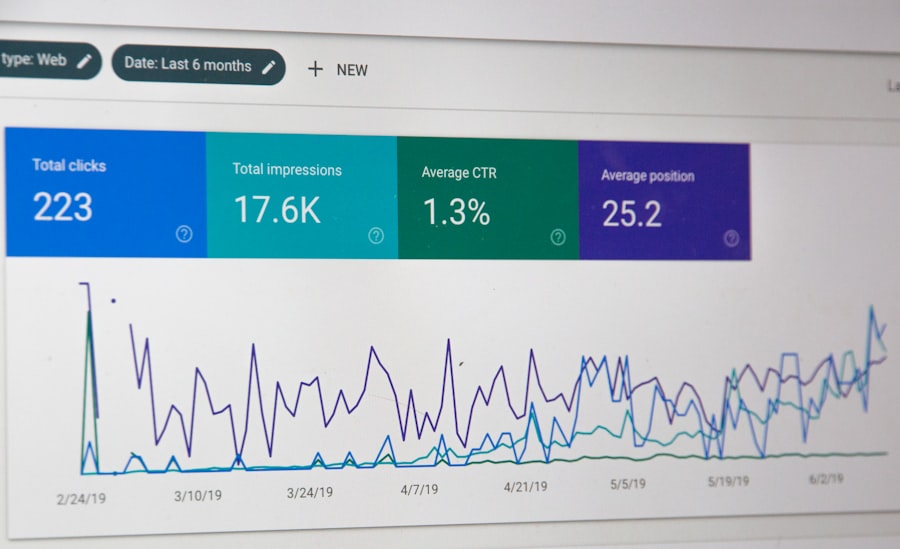
Selecting the appropriate technology stack for developing a SaaS search system is a decision that carries significant weight. As I delve into this process, I recognize that the choice of programming languages, frameworks, and databases can greatly influence performance and scalability. For instance, opting for a combination of Python for backend development and React for frontend interfaces often strikes a balance between functionality and user experience.
This blend allows me to enjoy a responsive interface while benefiting from powerful backend processing capabilities. Moreover, I find that leveraging cloud-based solutions can enhance both flexibility and scalability. Services like AWS or Google Cloud provide robust infrastructure that can adapt to varying loads, ensuring that my search system remains responsive even during peak usage times.
Additionally, integrating Elasticsearch or Apache Solr into the stack can significantly improve search capabilities by providing advanced indexing and querying features. Ultimately, the right technology stack not only supports current needs but also positions the system for future growth and innovation.
Designing an Intuitive User Interface for Seamless Search Experience
The design of the user interface (UI) plays a crucial role in how I interact with a SaaS search system. An intuitive UI is essential for ensuring that I can navigate the platform effortlessly. When I first encounter a search bar that is prominently placed and easy to access, it immediately sets a positive tone for my experience.
I appreciate when designers prioritize simplicity; a clean layout with minimal distractions allows me to focus on my search without feeling overwhelmed. Furthermore, incorporating visual cues such as icons or animations can enhance my understanding of how to use the search features effectively. For example, when I see a magnifying glass icon next to the search bar, it reinforces its purpose and encourages me to engage with it.
Additionally, providing clear feedback after I submit a query—such as loading indicators or result summaries—helps me feel more in control of the process. A well-thought-out UI not only facilitates seamless navigation but also fosters a sense of confidence in my ability to find what I need quickly.
Implementing Advanced Algorithms for Accurate and Relevant Search Results
As I explore various SaaS platforms, I often marvel at how advanced algorithms can transform my search experience. The implementation of sophisticated algorithms is crucial for delivering accurate and relevant results that align with my expectations.
This capability enables me to express my needs more naturally, resulting in more meaningful interactions. Additionally, incorporating machine learning algorithms can enhance the relevance of search results over time. As I use the platform more frequently, these algorithms learn from my behavior and preferences, tailoring future results accordingly.
This personalized approach not only saves me time but also makes me feel valued as a user. The combination of advanced algorithms ensures that my search experience is not just efficient but also increasingly aligned with my unique requirements.
Optimizing Performance and Scalability for a Seamless User Experience

Performance optimization is another critical aspect that directly impacts my experience with a SaaS search system. When I initiate a search, I expect results to appear almost instantaneously; any delay can lead to frustration and disengagement. To achieve this level of performance, developers must focus on optimizing database queries and leveraging caching mechanisms effectively.
By minimizing response times through these strategies, I can enjoy a seamless experience that keeps me engaged with the platform. Scalability is equally important as user demand fluctuates over time. As more users access the system simultaneously, it’s vital that performance remains consistent.
Implementing load balancing techniques ensures that no single server becomes overwhelmed during peak usage periods. Additionally, adopting microservices architecture allows different components of the search system to scale independently based on demand. This flexibility not only enhances performance but also positions the platform for future growth as user needs evolve.
Leveraging Machine Learning and AI for Continuous Improvement of Search Results
The integration of machine learning (ML) and artificial intelligence (AI) into a SaaS search system opens up exciting possibilities for continuous improvement. As I engage with the platform over time, these technologies can analyze vast amounts of data to identify patterns in user behavior and preferences. By leveraging this information, the system can refine its algorithms to deliver increasingly relevant results tailored specifically to me. For instance, if many users are searching for specific terms that yield limited results, this data can inform content creators about areas needing enhancement or expansion. This proactive approach not only improves user satisfaction but also fosters a culture of innovation within the organization as they adapt to meet evolving user needs.
Testing and Iterating to Ensure the SaaS Search System Meets User Expectations
Finally, testing and iterating on the SaaS search system is essential for ensuring it meets user expectations effectively. As I engage with new features or updates, I appreciate when developers actively seek feedback from users like me. Conducting usability tests allows them to observe how real users interact with the system and identify any pain points or areas for improvement.
Iteration is key in this process; by continuously refining features based on user feedback and performance metrics, developers can create a more polished product over time. This commitment to improvement not only enhances my experience but also demonstrates that the organization values its users' input. Ultimately, a robust testing and iteration process ensures that the SaaS search system remains relevant and effective in meeting my needs as they evolve.
In conclusion, building an effective SaaS search system requires careful consideration of various factors ranging from technology choices to user interface design. By prioritizing speed, relevance, and user engagement throughout each stage of development, organizations can create powerful tools that enhance user experiences and drive long-term success in an increasingly competitive landscape.
If you are interested in understanding human behavior in the digital age, you may want to check out the article Navigating the Digital Landscape: Tracking Human Behavior in the Age of Technology. This article delves into the complexities of how technology influences our behavior and decision-making processes. It provides valuable insights that can help you better understand your target audience and tailor your SaaS search system to meet their needs effectively.